Category

Business

69 articles filed under Business, newest first.

03 Business

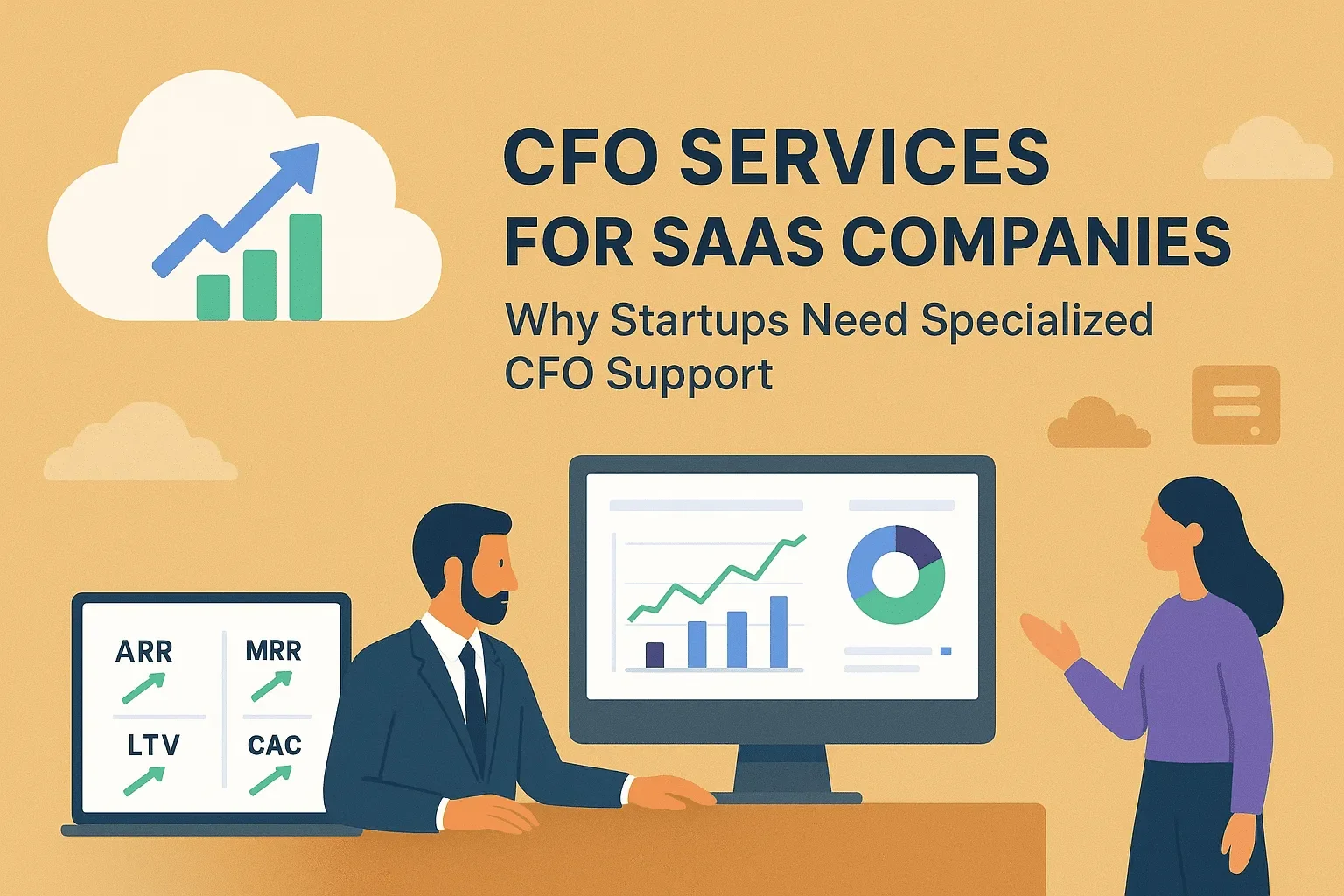
Opening a U.S. Bank Account for Foreign LLC: Top 5 Options for Indian Founders in 2025If you’re an Indian founder running a global SaaS, e-commerce, or service startup, one of the biggest hurdles in scaling your business internationally is banking. Most U.S. clients, investors, and platforms (like Stripe, Amazon, or PayPal) prefer—or require—payments through a U.S. business bank account. But here’s the challenge: opening a U.S. bank account for a […]Read the article Why SaaS Startups Need Specialized CFO Services And Who Does It BestIf you’re a SaaS founder operating across borders, scaling isn’t just about growth hacks it’s also about setting up the right financial and compliance foundation. The challenges multiply when your business serves customers in multiple countries, operates with distributed teams, and deals with varying tax laws. That’s why having a CFO who understands the SaaS […]Read the article US Tax Compliance Checklist for Indian Founders with U.S. Companies | 2025 GuideExpanding to the United States can be a game-changer for Indian entrepreneurs but with opportunity comes responsibility. Navigating the US tax system can feel daunting, especially when your company spans two jurisdictions with different regulations, deadlines, and forms. Missing a single form like 5472 or FBAR could cost you thousands in penalties. Here’s a comprehensive […]Read the article Common Mistakes Indians Make When Incorporating a US Company (And How to Avoid Them)Starting a US-based company from India is easier today than ever before but it’s also filled with nuances that can lead to costly errors if you’re not careful. From choosing the wrong state to missing key documentation, many Indian founders unknowingly fall into traps that delay business operations, banking access, or even IRS compliance. If […]Read the article Proposed 5% U.S. Remittance Tax: Implications for NRIs, Visa Holders, and Global FamiliesA proposed U.S. bill—formally titled The One Big Beautiful Bill—is drawing attention for its potential impact on non-U.S. citizens, especially the Indian diaspora. If enacted, the legislation would impose a 5% flat tax on all outbound international remittances made by individuals who are not U.S. citizens. This move could significantly disrupt financial routines for families, […]Read the article Key Highlights of the 53rd GST Council MeetingThe latest GST Council meeting has ushered in a series of pivotal changes to enhance the efficiency and clarity of the Goods and Services Tax (GST) framework. This document encapsulates the key adjustments in GST rates on goods and services, crucial exemptions, and procedural reforms designed to streamline compliance and foster economic growth. From revised […]Read the article Understanding Dividend and Bonus Stripping under Sections 94(7) and 94(8) of the Income Tax Act, 1961Bonus and dividend stripping are sophisticated strategies investors employ to mitigate their tax liabilities. These tactics exploit the timing of dividends and bonus shares to engineer artificial losses used to offset taxable income. To counteract such practices and promote a fair tax system, India has implemented stringent regulations under Sections 94(7) and 94(8) of the […]Read the article Understanding Income Tax Nexus Rules for Multistate BusinessesUnderstanding the income tax nexus rules is essential for businesses operating across multiple states in the U.S. These rules determine whether a business must file income tax returns and pay taxes in states beyond its home state. Nexus can be triggered through various activities such as making sales, property ownership, or employing workers in a state. […]Read the article Understanding Form D: A Guide for Companies Raising CapitalForm D is a document that must be filed with the Securities and Exchange Commission (“SEC”) by certain companies raising money from investors. The purpose of the filing is to notify the SEC that the company raising money is doing so under a specific federal exemption from registration. What is a Form D? A Form D […]Read the article Navigating the New Era: Comprehensive Guide to India’s Amended Foreign Exchange Management RulesThe renewed Foreign Exchange Management rules, directions, and regulations represent a significant overhaul of the legal aspects governing overseas investments by Indian entities. Before this, such investments were regulated by the Foreign Exchange Management (Transfer or Issue of any Foreign Security) Regulations, 2004, and the Foreign Exchange Management (Acquisition and Transfer of Immovable Property Outside […]Read the article Advancements in Corporate Governance: An Overview of Revised Secretarial Standards in IndiaIn today’s evolving corporate governance landscape, companies must stay abreast of regulatory changes to maintain compliance and transparency. Recently, the Institute of Company Secretaries of India (ICSI) revised Secretarial Standards SS-1 and SS-2, which govern the conduct of board and general meetings, respectively. Effective from April 1, 2024, these revisions are set to enhance the […]Read the article Analyzing Corporate Buybacks and Their Tax Implications Under the Income Tax Act of 1961In the realm of corporate finance, the buyback of shares, also referred to as a share repurchase, is a strategic manoeuvre where a company reacquires its own stock from the marketplace or its existing shareholders. This action effectively reduces the number of outstanding shares, often signalling confidence in the company’s prospects and aiming to enhance […]Read the article Understanding the Impact of Tax Changes on Debt-Oriented Mutual FundsDebt-oriented mutual funds are a popular investment choice, focusing primarily on fixed-income securities such as bonds, treasury bills, and government securities. They are safer than equity mutual funds and aim to provide regular income with lower risk. However, recent changes in the tax regime have significant implications for investors. This article discusses the nature of […]Read the article Mastering 401(k) Rollovers: Timeframes, Restrictions, and Tax Implications ExplainedDespite the growing importance of retirement planning in the United States, many individuals remain unaware of the subtleties involved in managing their retirement funds effectively. According to the U.S. Census Bureau, 401(k)-style accounts are the most common retirement savings among working-age individuals, accounting for 34.6% of such accounts. However, a lack of comprehensive understanding of […]Read the article Navigating ERISA: Understanding Employer Fiduciary Responsibilities for 401(k) PlansWhile probing into the niche of retirement planning, understanding one’s role and responsibilities as an employer offering a 401(k) plan is paramount. The Employee Retirement Income Security Act (ERISA) mandates that those involved in managing such plans adhere to stringent fiduciary duties, ensuring the protection and optimization of participants’ savings for retirement readiness. As a […]Read the article